


NEWS
- 25 March | The Honest UPSC Talk Nobody Tells You Click Here to see Abhijit Asokan AIR 234 talk →
- 10 March | SFG Folks! This dude got Rank 7 in CSE 2025 with SFG! →
- 10 March | SFG Folks! She failed prelims 3 times. Then cleared the exam in one go! Watch Now! →
News: New scientific research has revealed that the overexploitation of sardines off southern Africa directly contributed to the deaths of more than 60,000 African penguins.
About Penguins
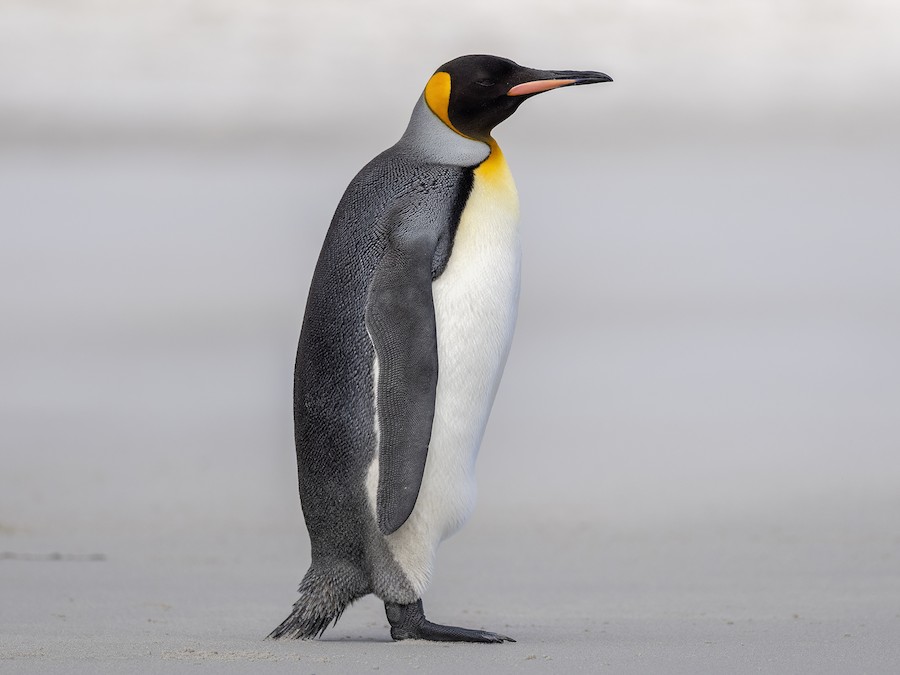
- Penguins are flightless marine birds that belong to the order Sphenisciformes.
- They consist of approximately 18–21 species that inhabit only the Southern Hemisphere.
- Most penguin species live between 45° and 60° south latitude rather than in Antarctica.
- The Galapagos penguin is the only penguin species that lives at the Equator.
- Physical Characteristics
- Penguins have stocky bodies and short legs that make them well adapted for swimming rather than flying.
- Their height ranges from about 35 cm in the small blue penguin to 115 cm in the emperor penguin.
- Their weight ranges from about 1 kg in small species to as much as 40 kg in the emperor penguin.
- Penguins are typically black on their backs and white on their bellies, which provides effective aquatic camouflage.
- Some penguin species display additional colors such as red or yellow eyes, red feet, yellow eyebrow tufts, or orange patches.
- Adaptations:
- Penguins use their flipper-like wings to propel themselves efficiently through the water.
- Their dense feathers and thick layers of fat help them to maintain body heat in cold marine environments.
- Many penguins can dive to significant depths, with emperor penguins diving as deep as 550 metres.
- Diet: They primarily feed on krill, fish, and squid found in marine ecosystems.
- Notable Species:
- The emperor penguin is the largest penguin species and is known for breeding during Antarctica’s harsh winter.
- The king penguin has vibrant orange markings and forms large breeding colonies.
- Rockhopper penguins are recognized by their red eyes, yellow eyebrow feathers, and distinctive head crests.
- Royal penguins form one of the world’s largest colonies on Macquarie Island but remain vulnerable due to their restricted breeding range.
- Threat: Climate change poses a major threat to penguins by altering sea ice patterns and reducing food availability.
- Overfishing by humans can diminish the fish stocks that penguins depend on for survival.





